

Cataracts in Richmond, TX
Are You Having Cloudy or Blurry Vision?
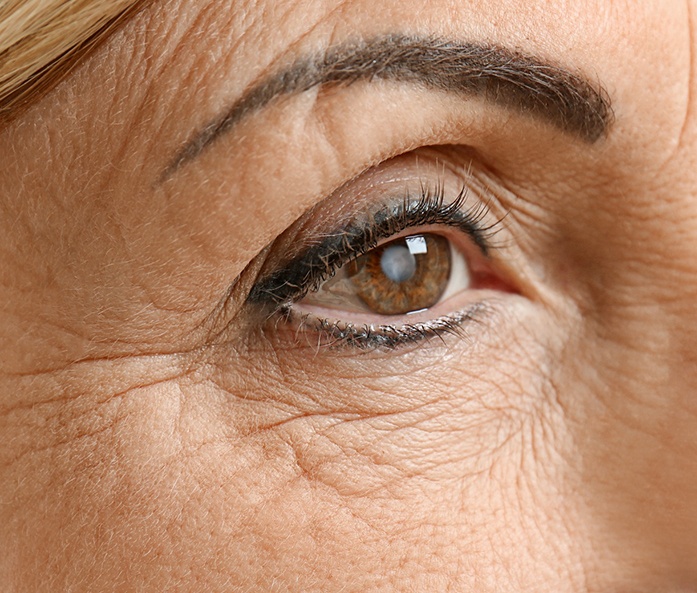
If your vision has started to look cloudy, blurry, foggy, or dim, cataracts could be one of the reasons. Many patients also notice that colors do not look as bright, night driving becomes harder, or their glasses do not seem to help as much as they used to.
Cataracts are very common, especially as we get older. They happen when the natural lens inside the eye becomes cloudy. This cloudiness can make it harder for light to pass through clearly, which can affect your day-to-day vision.
At Richmond Eye Experts, we can check your eyes for cataracts, monitor any changes, and let you know when it may be time to consider a cataract surgery consultation. If surgery is needed, we can help coordinate your care with a local ophthalmologist and continue to see you for follow-up care after the procedure.
Cataracts usually develop slowly. In the beginning, you may not notice much of a change. Over time, though, they can start to make everyday tasks harder, including reading, driving at night, seeing road signs, or recognizing faces clearly.
Why Choose Richmond Eye Experts for Cataract Care?
- Highly Experienced, Knowledgeable Optometrists
- Cutting-Edge Diagnostic Technology
- Convenient Appointment Hours
What Are Cataracts?
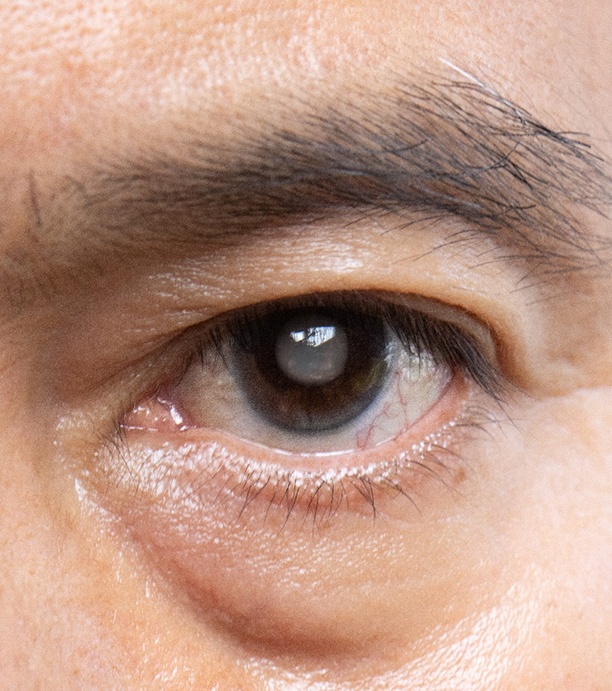
The lens inside your eye is normally clear. It helps focus light so you can see clearly. A cataract forms when the lens becomes cloudy.
When this happens, vision may look blurry, hazy, foggy, dim, or dull. Some people describe it as looking through a dirty window or a film over the eye.
Cataracts are usually related to aging, but they can happen earlier in life for some people. Diabetes, certain medications, eye injuries, past eye surgery, family history, and long-term sun exposure can all increase the risk.
Because cataracts often change slowly, many people do not realize they have them at first. As they progress, they may begin to affect things like night driving, reading in low light, or seeing clearly in bright sunlight.
Symptoms of Cataracts

Cataract symptoms can vary from person to person. Some common signs include:
- Cloudy, blurry, dim, or foggy vision
- Trouble seeing clearly at night
- Glare or halos around headlights or lights
- Sensitivity to bright light
- Colors looking faded or yellowed
- Frequent changes in glasses or contact lens prescriptions
- Trouble reading or seeing small details
- Double vision in one eye in some cases
These symptoms can also happen with other eye conditions, so an eye exam is the best way to know what is really going on.
Who Is at Risk for Cataracts?

Anyone can develop cataracts, but they become more common with age. Your risk may be higher if you:
- Are over age 60
- Have diabetes
- Spend a lot of time in the sun without UV protection
- Smoke or use tobacco products
- Drink excessive amounts of alcohol
- Have had an eye injury
- Have had previous eye surgery
- Use certain medications, including long-term steroids
- Have a family history of cataracts
You cannot always prevent cataracts, but you can take steps to support your eye health. Wearing sunglasses with UV protection, avoiding smoking, managing diabetes, eating a healthy diet, and keeping up with regular eye exams are all helpful habits.
How Are Cataracts Diagnosed?
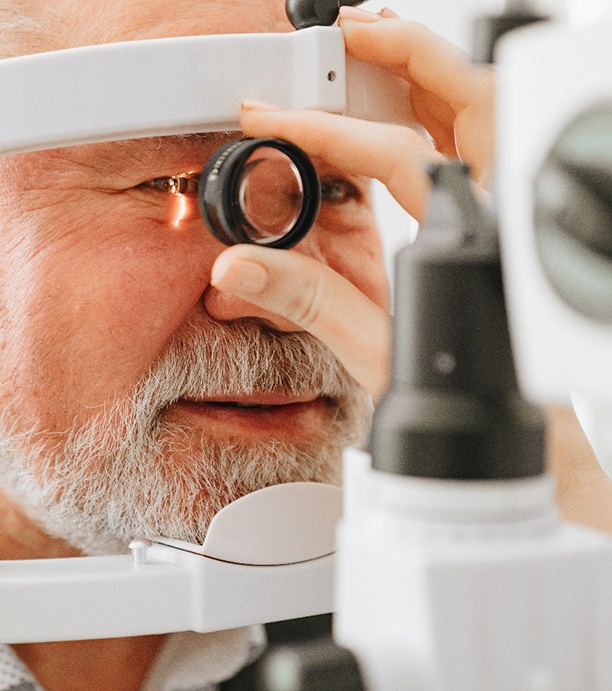
Cataracts are diagnosed during a comprehensive eye exam. At Richmond Eye Experts, we may perform several tests to understand what is causing your vision changes.
Your exam may include:
- A review of your symptoms and medical history
- Vision testing to see how clearly you are seeing
- Refraction to check whether a new glasses or contact lens prescription may help
- A slit lamp exam to look closely at the lens and other parts of the eye
- A dilated eye exam when needed to check the retina and overall eye health
These tests help us determine whether you have cataracts, how advanced they are, and whether they are likely affecting your vision.
How Are Cataracts Treated?

In the early stages, cataracts may not need surgery right away. Many patients can still function well with an updated glasses prescription, better lighting, anti-glare lenses, or small changes to their daily routine.
When cataracts start getting in the way of normal activities, cataract surgery may be the next step. Cataract surgery is performed by an ophthalmologist. During surgery, the cloudy lens is removed and replaced with a clear artificial lens.
Richmond Eye Experts does not perform cataract surgery in our office. However, we can let you know when it may be time for a referral and help co-manage your care with a local ophthalmologist. This may include your pre-surgical evaluation, referral, and post-operative follow-up visits when appropriate.
When Should You Schedule an Eye Exam?

Schedule an eye exam if you are noticing cloudy or blurry vision, glare while driving at night, frequent prescription changes, or trouble seeing clearly during your usual daily activities.
Cataracts are common, but blurry or foggy vision can have many causes. A comprehensive eye exam can help us find the reason for your symptoms and recommend the right next step.
If you are concerned about cataracts in Richmond, TX, Richmond Eye Experts is here to help.
Call Richmond Eye Experts at (832) 685-2020 or use our online scheduling tool to request an appointment.
Cataract FAQs
What Is a Cataract?
A cataract is a cloudy area that develops in the normally clear lens of the eye. Cataracts usually develop gradually and may cause blurry vision, glare, halos around lights, faded colors, difficulty driving at night, or frequent changes in your glasses prescription.
How Common Are Cataracts?
Cataracts are extremely common, especially as we get older. More than half of Americans age 80 or older either have cataracts or have already had cataract surgery.
Regular comprehensive eye exams allow your optometrist to monitor cataracts and check for other conditions that could affect your vision.
Are Cataracts Painful?
Cataracts are usually painless and may not cause noticeable symptoms during their early stages. As they progress, they can cause blurry or hazy vision, glare, light sensitivity, halos around lights, and difficulty seeing at night.
Sudden eye pain, redness, or a rapid change in vision is not typical of a cataract and should be evaluated promptly.
What Types of Cataracts Are There?
Most cataracts are age-related, but cataracts may also develop because of:
- An eye injury
- Diabetes or certain other medical conditions
- Long-term use of medications such as corticosteroids
- Radiation exposure
- Previous eye surgery
- Genetic or developmental conditions
Babies and children can also develop cataracts. A cataract present at birth is called a congenital cataract.
Can a Cataract Come Back After Surgery?
No. During cataract surgery, the cloudy natural lens is removed and replaced with a clear artificial lens.
Some patients later develop posterior capsule opacification, sometimes called a “secondary cataract.” This occurs when the thin membrane behind the artificial lens becomes cloudy. It can usually be treated with a quick in-office laser procedure.
Is Cataract Surgery Safe?
Cataract surgery is one of the most common and successful procedures performed in the United States. As with any surgery, there are potential risks, but serious complications are uncommon. Approximately 9 out of 10 patients see better after cataract surgery.
When cataracts begin interfering with driving, reading, work, or other daily activities, we can discuss your options and refer you to a trusted cataract surgeon.
When Should Cataracts Be Removed?
Cataracts do not usually need to be removed immediately. Surgery may be recommended when they interfere with daily activities or prevent your eye doctor from properly examining or treating another eye condition.
Your eye doctor can help you decide when the benefits of surgery outweigh the risks.
Can Cataracts Be Prevented?
There is no guaranteed way to prevent cataracts, but you may be able to lower your risk or slow their development by:
- Wearing sunglasses that block 100% of UVA and UVB rays
- Wearing protective eyewear during sports or hazardous activities
- Avoiding smoking and tobacco products
- Managing diabetes and other health conditions
- Eating a balanced diet rich in fruits, vegetables, leafy greens, nuts, and whole grains
- Receiving regular comprehensive eye exams
Where Can I Get a Cataract Evaluation in Richmond, TX?
If you are experiencing cataract symptoms in Richmond, TX, schedule a comprehensive eye exam with Richmond Eye Experts. We can evaluate your vision, monitor cataract changes, and refer you to a trusted cataract surgeon when surgery becomes appropriate.