

Eye Disease Treatment Richmond
Healthy Eyes, Happy Eyes, Happy You
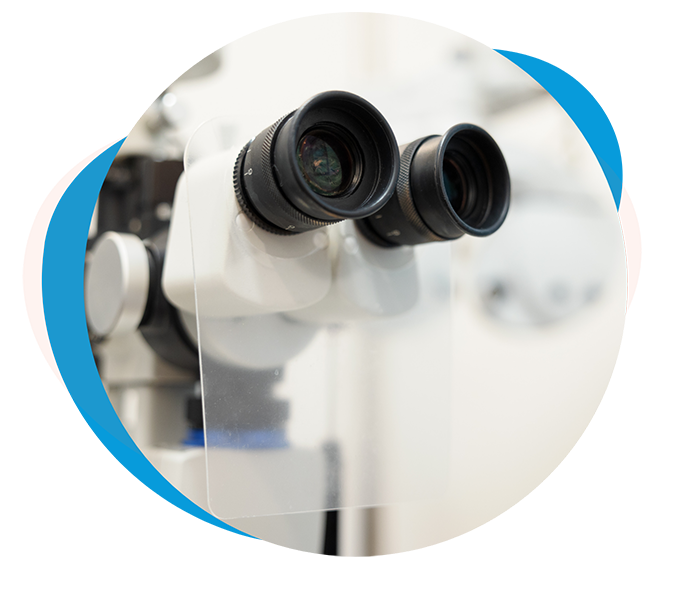
Did you know that there are hundreds of recognized eye diseases, though some are more prevalent than others? At Richmond Eye Experts, our experienced optometrists specialize in diagnosing and treating a wide range of common eye conditions. With our expertise in eye disease management, we can help you achieve healthier eyes, clearer vision, and an improved quality of life.
If you notice any unusual symptoms affecting your vision or eye health, we strongly encourage you to consult our team. Our comprehensive eye examinations are designed to identify potential issues early, allowing for effective interventions that can enhance your overall well-being.
Prioritizing your vision health is essential, and we are here to provide you with the guidance and care you need. Schedule your appointment today and take the first step towards optimal eye care with Richmond Eye Experts!
Why Choose Richmond Eye Experts for Eye Disease Treatment?
- Optometrists with Extensive Experience with Treating Eye Diseases and Emergencies
- Convenient Evening and Saturday Appointments
- Patients Ages 4 and above are Welcome at Our Family-Friendly Practice
Most Common Eye Diseases
Treated in Our Clinic
Myopia (Nearsightedness)

- Description: Trouble seeing distant objects clearly.
- Diagnosis: Comprehensive eye exam with a visual acuity test and refraction assessment.
Hyperopia (Farsightedness)

- Description: Difficulty seeing close objects clearly.
- Diagnosis: Eye exam including visual acuity tests and refraction.
Astigmatism

- Description: Blurred vision due to an irregularly shaped cornea.
- Diagnosis: Visual acuity test and corneal topography to assess the curvature of the cornea.
Cataracts
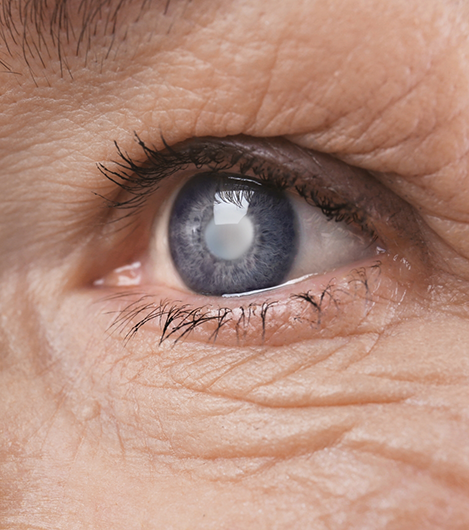
- Description: Clouding of the eye's lens, leading to blurry vision.
- Diagnosis: Microscopic eye exam to check the lens and assess its clarity.
Glaucoma

- Description: Increased pressure in the eye that can damage the optic nerve.
- Diagnosis: Tonometry to measure eye pressure and a visual field test to assess peripheral vision.
Learn More About Glaucoma Treatment
Age-Related Macular Degeneration (AMD)

- Description: Affects central vision, making it hard to see fine details.
- Diagnosis: A dilated eye exam and imaging tests like optical coherence tomography (OCT).
Diabetic Retinopathy

- Description: Damage to the retina caused by diabetes, leading to vision loss.
- Diagnosis: Comprehensive eye exam and retinal imaging to look for changes in blood vessels.
Conjunctivitis (Pink Eye)
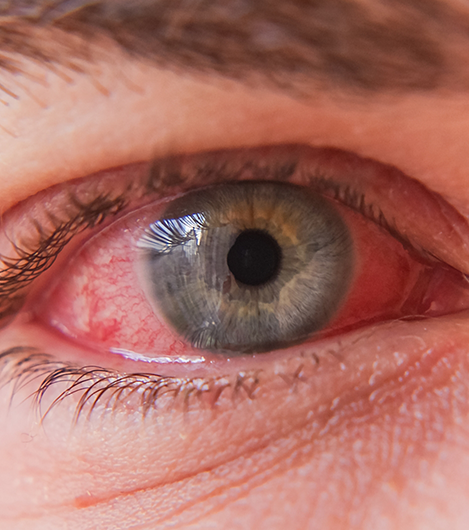
- Description: Inflammation of the eye’s outer membrane, often due to infection or allergies.
- Diagnosis: Patient history and a visual examination of the eyes to check for redness and discharge.
Dry Eye Syndrome

- Description: Insufficient lubrication on the eye's surface, causing discomfort.
- Diagnosis: Patient symptoms assessment and tests like the tear break-up time and Schirmer test.
Retinal Detachment

- Description: The retina pulls away from its normal position, potentially leading to vision loss.
- Diagnosis: Comprehensive eye exam and retinal imaging to detect any tears or detachment.
Amblyopia (Lazy Eye)

- Description: Poor vision in one eye due to improper visual development.
- Diagnosis: Comprehensive eye exam, including visual acuity tests in both eyes and assessment of eye alignment.
Flashes and Floaters
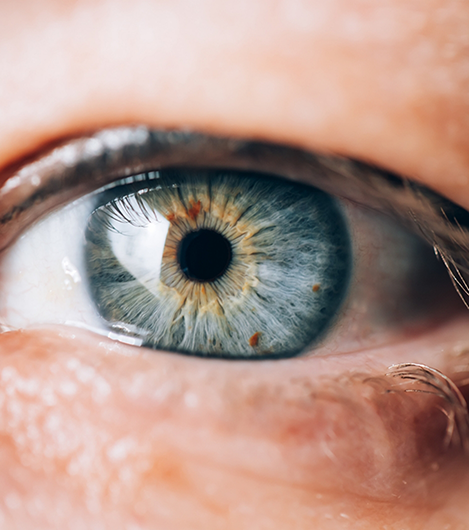
- Description: Flashes of light or moving spots in the field of vision, often indicating changes in the vitreous or retina.
- Diagnosis: Detailed eye examination, including a dilated exam to check the retina for any issues.
Computer Vision Syndrome (Digital Eye Strain)

- Description: Discomfort and vision problems resulting from prolonged screen use.
- Diagnosis: Patient history regarding screen time and symptoms, along with a comprehensive eye exam to assess vision and eye health.
At our office, we utilize advanced diagnostic tools and techniques to accurately identify these conditions, ensuring you receive the best possible care tailored to your needs. If you have concerns about your eye health, don’t hesitate to schedule an appointment!
Eye Disease Diagnosis and Treatment FAQs
How Do You Detect Eye Diseases?
Many eye conditions cause few or no symptoms during their early stages. A comprehensive eye exam allows us to evaluate both your vision and the health of your eyes. Depending on your symptoms and risk factors, testing may include visual acuity, eye pressure measurement, a slit-lamp examination, a dilated retinal examination, retinal imaging, optical coherence tomography (OCT), or visual field testing.
A slit lamp helps us examine the front of the eye, including the cornea and lens. Dilation and other testing may be needed to evaluate the retina, optic nerve, and conditions such as glaucoma or diabetic eye disease.
What Eye Conditions Can Be Found During an Eye Exam?
A comprehensive eye exam may reveal signs of cataracts, glaucoma, diabetic or hypertensive retinal changes, age-related macular degeneration, corneal disease, retinal tears, and other conditions. Some findings require additional testing, monitoring, treatment, or referral to an ophthalmologist or another specialist.
Should I Be Worried About Cataracts?
A cataract is a cloudy area in the normally clear lens of the eye. Cataracts are very common with aging and usually develop slowly. Risk factors include diabetes, smoking, eye injuries, steroid use, and long-term ultraviolet exposure. If we detect a cataract, we can monitor its progression, update your prescription when helpful, and refer you for surgery when it begins interfering with daily activities.
Does Dry Eye Require Treatment?
Dry eye can cause burning, irritation, fluctuating vision, redness, or a gritty sensation. Persistent symptoms deserve an evaluation because dry eye has several possible causes and treatments. Mild cases may improve with lubricating drops or changes in daily habits, while other cases may require prescription medication, treatment for blocked oil glands, or additional testing. Severe untreated dry eye can damage the corneal surface and, in uncommon cases, contribute to infection or scarring.
When Is an Eye Problem an Emergency?
Seek urgent eye care for sudden vision loss, severe eye pain, a new curtain or shadow in your vision, new flashes with a sudden increase in floaters, chemical exposure, significant eye injury, or marked redness with light sensitivity. These symptoms are not appropriate to monitor at home.
Where Can I Get an Eye Disease Evaluation in Richmond, TX?
Richmond Eye Experts provides medical eye evaluations for cataracts, dry eye, glaucoma risk, diabetic eye disease, and other concerns. Schedule an appointment if you have new or persistent symptoms, a family history of eye disease, or a medical condition that may affect your eyes.