
Contact Lenses Richmond
Precision and Clarity with Contact Lenses
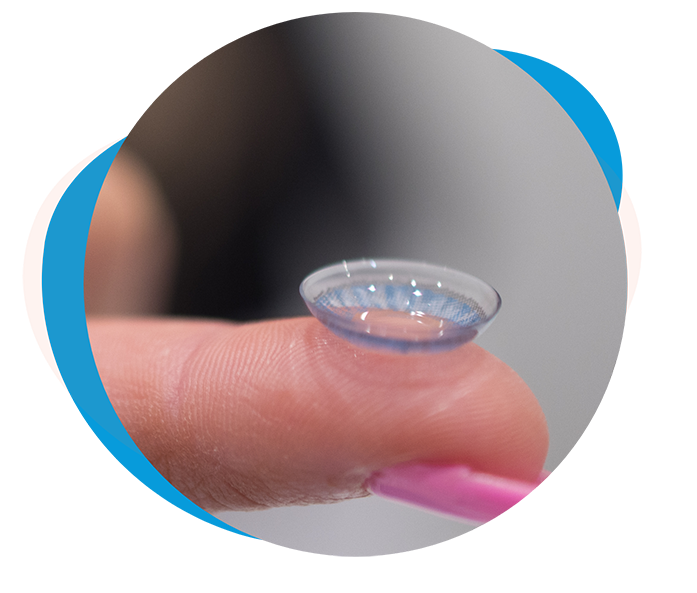
At Richmond Eye Experts, our doctors specialize in comprehensive contact lens examinations and are certified to fit a wide range of contact lenses, including soft lenses, colored contacts, hard lenses, overnight lenses, and scleral contacts. While many patients find success with soft lenses, we also utilize advanced mapping technology (topography) to create custom hard contact lenses in Richmond for those with unique vision challenges. This ensures that each patient receives the most effective solution for their specific needs.
Why Choose Richmond Eye Experts for Contact Lenses?
- Award-Winning, In-Network Optometry Practice
- Rebates up to $300 Only Redeemed at Our Practice.
- Over 5,000 Pediatric Patients Fitted in Soft and Specialty Contact Lenses
Benefits of Contact Lenses
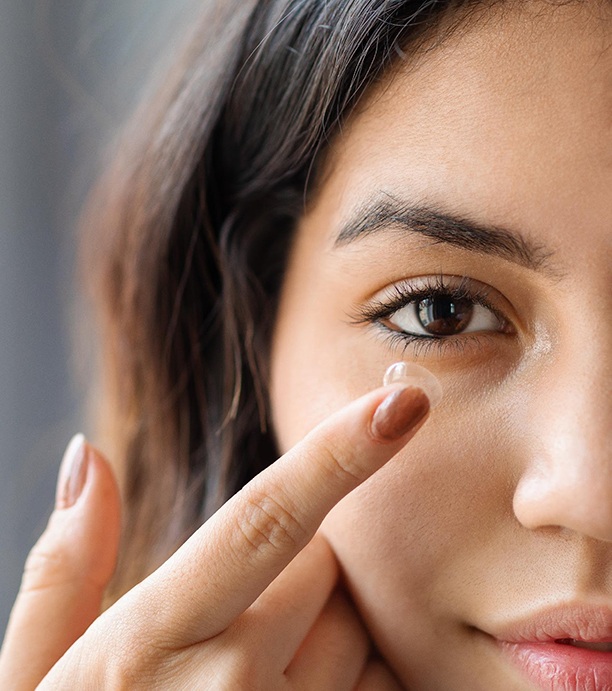
Patients who need vision correction often choose between glasses and contact lenses. While glasses are a great option for many people, contact lenses offer several advantages that make them well worth considering.
At Richmond Eye Experts, we help patients in Richmond, Sugar Land, and surrounding areas find the best contact lens options for their lifestyle, prescription, and eye health needs. If you are deciding whether contact lenses are right for you, here is a closer look at some of the benefits they can offer.
Convenience for Everyday Life

One of the biggest advantages of contact lenses is convenience. Glasses can work very well in daily life, but they are not always ideal for every situation.
For example, glasses may slide down your nose, fog up, get splashed, or feel cumbersome during exercise and sports. Contact lenses stay in place better and allow you to move more freely throughout the day. For many patients, that added flexibility makes contacts a very convenient option.
A Wider Field of Vision

Glasses frames can sometimes interfere with side vision, especially during activities that require full awareness of your surroundings, such as driving or sports.
Because contact lenses sit directly on the eyes and do not have frames, they provide a more natural field of vision. This can help patients feel more comfortable and more aware of what is around them.
Comfortable for Many Patients

It is common to feel a little nervous about placing a lens directly on the eye at first. The good news is that many patients adjust quickly and find that contact lenses are very comfortable once they get used to them.
Many modern contact lenses are made from breathable materials that allow oxygen to pass through to the eye. This helps support comfort and eye health during wear. Once adapted, many patients report that they barely notice their lenses are there.
Confidence and a Natural Appearance

Some patients simply prefer how they look without glasses. Contact lenses provide vision correction without changing your appearance, which can help some people feel more confident in social or professional settings.
They also allow you to wear non-prescription sunglasses more easily, which is a nice bonus and sometimes reason enough for patients to become surprisingly loyal to their contacts.
More Versatile Than Many People Realize
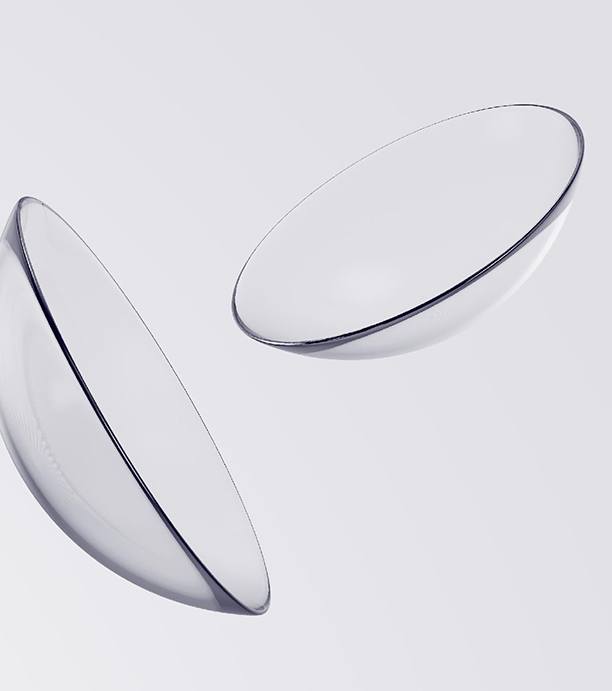
Some people assume contact lenses are only for simple prescriptions, but that is not the case. Today, there are contact lens options for many different needs, including:
- nearsightedness
- farsightedness
- astigmatism
- bifocal or multifocal correction
- keratoconus
- dry eye-related needs
- irregular corneas
- specialized therapeutic use
At Richmond Eye Experts, we offer a wide range of contact lens options and can help determine which type is best suited for your eyes and your prescription.
Contact Lenses for Children and Adults
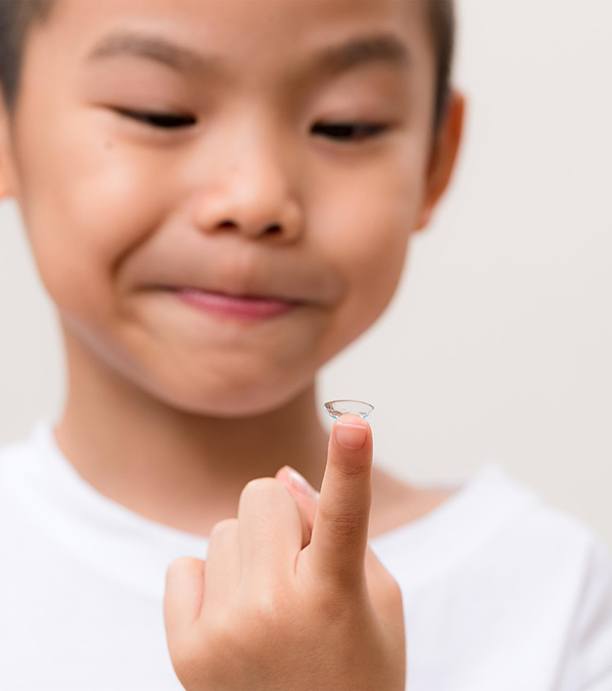
Contact lenses are not just for adults. Many children and teens can also do very well with contacts when they are mature enough to handle them properly and follow good hygiene habits.
For some kids, contact lenses can be especially convenient and helpful for playing sports as well as boosting confidence. We evaluate each patient individually to determine whether contact lenses are a safe and practical option.
Types of Contact Lenses We Offer
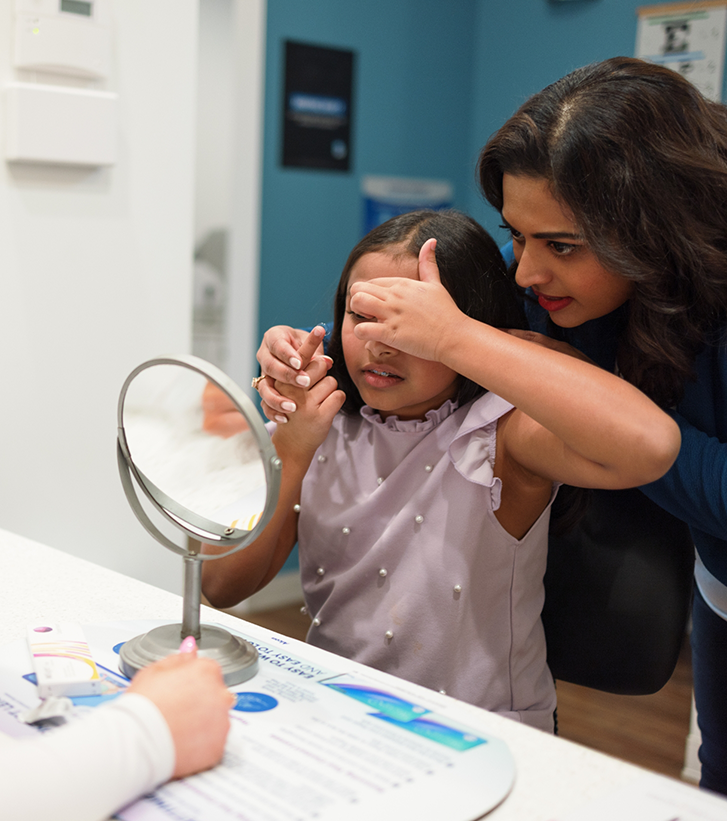
Not all contact lenses are the same. Different lens types are designed for different prescriptions, eye conditions, and lifestyle needs. At Richmond Eye Experts, we offer several types of contact lenses to help meet a wide range of patient needs in Richmond and Sugar Land.
Soft Silicone Hydrogel Lenses
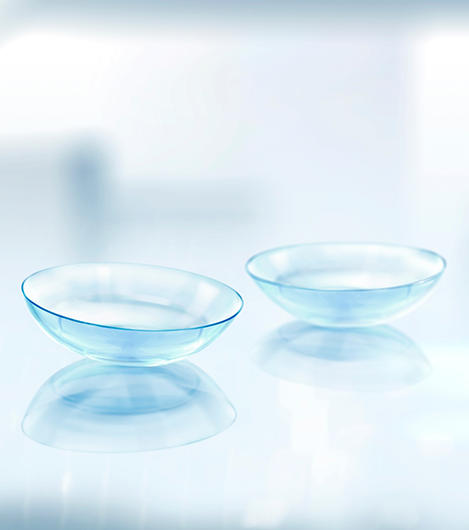
Silicone hydrogel soft lenses are the standard of care at our clinic. These lenses allow more oxygen to pass through to the eye, which helps improve comfort and supports healthy lens wear.
They are soft, flexible, and generally easy to insert and remove, making them a popular option for many patients. They are available for those with:
- nearsightedness
- farsightedness
- astigmatism
- bifocal or multifocal needs
These lenses may come in daily, biweekly, monthly, and in some cases quarterly replacement options, depending on the prescription and lens brand.
At Richmond Eye Experts, we also work with specialty laboratories that can custom-make soft contact lenses for more complex prescriptions. If you have struggled with contact lenses in the past, you may still have options worth exploring.
Gas Permeable Lenses
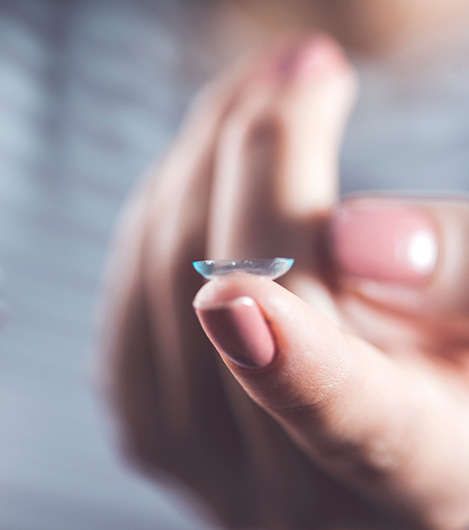
Gas permeable lenses, also called rigid gas permeable lenses or RGP lenses, are often a great choice for patients with more complex prescriptions or certain corneal conditions.
They may feel less comfortable at first than soft lenses, but many patients adapt well with proper guidance and gradual wear. These lenses can provide excellent vision quality and may be especially helpful in certain cases where soft lenses do not perform as well.
They are often replaced less frequently than soft disposable lenses, although the replacement schedule depends on the specific lens, prescription, and how the lenses are wearing over time.
Scleral Contact Lenses

Scleral lenses are larger gas permeable lenses that rest on the white part of the eye, called the sclera, rather than directly on the cornea.
They are often used for patients with more complex eye conditions, such as:
- keratoconus
- irregular astigmatism
- severe dry eye
- corneal irregularities
- sensitive or compromised corneas
Scleral lenses create a fluid reservoir between the lens and the cornea, which can improve comfort and protect the surface of the eye.
Some of the main benefits of scleral lenses include:
- improved comfort for certain dry eye patients
- clearer vision for irregular corneas
- a stable fit
- protection for the corneal surface
For the right patient, scleral lenses can be life-changing in the best possible non-dramatic optometry way.
Ortho-K Lenses
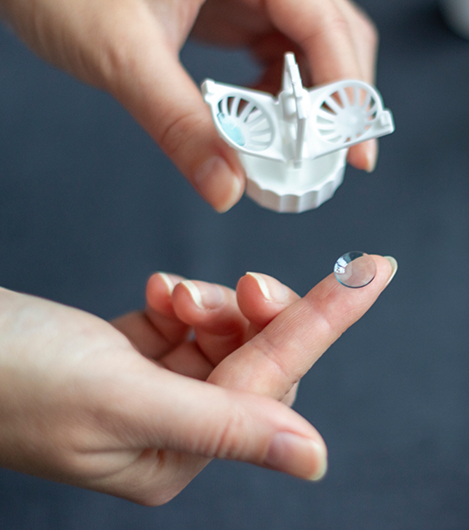
Orthokeratology lenses, often called Ortho-K lenses, are specially designed gas permeable lenses worn overnight to gently reshape the cornea while you sleep.
This allows patients to see clearly during the day without needing glasses or daytime contact lenses. Ortho-K is most commonly used for myopia and in some cases can help address certain amounts of astigmatism as well.
Benefits of Ortho-K may include:
- clear daytime vision without glasses or contacts
- a non-surgical vision correction option
- reversible treatment
- myopia management benefits for some children
Ortho-K can be a great choice for both children and adults, especially for patients who want freedom from daytime eyewear or who may be good candidates for myopia control.
Therapeutic Contact Lenses

Therapeutic contact lenses, also called bandage contact lenses, are specialized lenses used to promote healing and improve comfort in certain medical situations.
These lenses may be used after some eye procedures or for certain corneal conditions, including:
- corneal abrasions
- recurrent erosions
- surface irritation
- certain post-surgical situations
- severe ocular surface discomfort
By protecting the surface of the eye, therapeutic lenses can help reduce discomfort and support healing. They may also help maintain moisture on the eye in some cases.
Our team can evaluate your condition and determine whether therapeutic contact lenses are appropriate for your needs.
Understanding the Cost of Contact Lenses

The cost of contact lenses vary greatly depending on the type of lens and complexity of the prescription. Our staff will give you a clear breakdown of costs.
When it comes to the cost of contact lenses, purchasing from us offers exceptional value. We provide the highest rebates available, helping you save significantly on your lenses. Additionally, we offer free shipping directly to your home, eliminating the need for extra trips or handling fees. By choosing to buy from us, you not only benefit from substantial rebate savings but also enjoy the convenience of having your contact lenses delivered right to your door at no extra cost.
Contact Lens Exams and Fittings
A successful contact lens experience starts with more than just a prescription. It also requires the right lens type, a proper fit, and clear instructions on safe wear and care.
At Richmond Eye Experts, we provide contact lens exams and fittings in Richmond and Sugar Land, TX for patients of many ages and prescription types. Whether you are interested in soft lenses, specialty lenses, Ortho-K, or scleral lenses, we can help you explore the best options for your eyes and lifestyle.
Schedule Your Contact Lens Exam at Richmond Eye Experts
If you are interested in trying contact lenses or want to learn more about your options in Richmond and Sugar Land, our team is here to help. We will evaluate your eyes, answer your questions, and recommend the best contact lens solution for your needs.
Call Richmond Eye Experts at (832) 685-2020 or visit us at 7770 W. Grand Parkway S, Suite B1, Richmond, TX 77406 to schedule your contact lens exam.
Contact Lenses FAQs
Can Contact Lenses Get Lost Behind My Eye?
The idea of having a contact lens slip out of place and get trapped behind your eyeball isn’t a pleasant one. Fortunately, it’s actually impossible for this to happen. The white part of your eye is completely covered by a special membrane known as the conjunctiva, which is connected to your eyelids. Thanks to the conjunctiva, there’s no way for your contact lenses to get to the area behind your eyes. At most, they might occasionally get stuck under the eyelids, but you can often dislodge them by blinking repeatedly.
How Old Do I Have to Be for Contact Lenses?
There’s no strictly defined “minimum” age for contact lenses. That said, many children will start wearing them between the ages of 8 and 12. In general, maturity and responsibility are more important factors than age alone. Any patient who gets contacts must be responsible enough to take care of their lenses on their own and must be capable of following a proper wear schedule. Rest assured that our team considers each patient’s situation carefully in order to determine whether contact lenses are a solution worth pursuing.
Why Do I Need a Prescription for Contact Lenses?
Contact lenses are classified as medical devices, so you can only purchase them if they have been prescribed by an eye doctor. Your prescription will specify the type of contact lens you require as well as the correct size and the power needed for vision correction.
Note that the eyes tend to change over time. As such, you will need to get a new prescription every year in order to ensure that your contacts continue to fit comfortably and provide you with clear vision.
Can I Wear Contact Lenses While Participating in Sports?
Yes. One of the advantages of contact lenses is that they are highly versatile and can be safely worn in many different situations. Compared to eyeglasses, contact lenses are less likely to fall off while you’re running. On top of that, you don’t have to worry about them breaking if you happen to get hit in the face.
That being said, you should not wear contact lenses while swimming or participating in other water-based physical activities. Contacts can easily trap the harmful microorganisms found in water against your eye; in the worst-case scenario, this could cause an infection that might ultimately lead to vision loss.
Are Contact Lenses More Expensive Than Glasses?
When it comes to the upfront cost, contact lenses are actually often cheaper than glasses. Of course, there are several factors that can influence the amount you end up paying, such as the coverage provided by your vision insurance. If you’re interested in getting contact lenses, our team will make sure that you have an accurate idea of what the final price tag will look like.