
Comprehensive Eye Exams for Kids Richmond
Taking Care of Your Little One’s Eyes
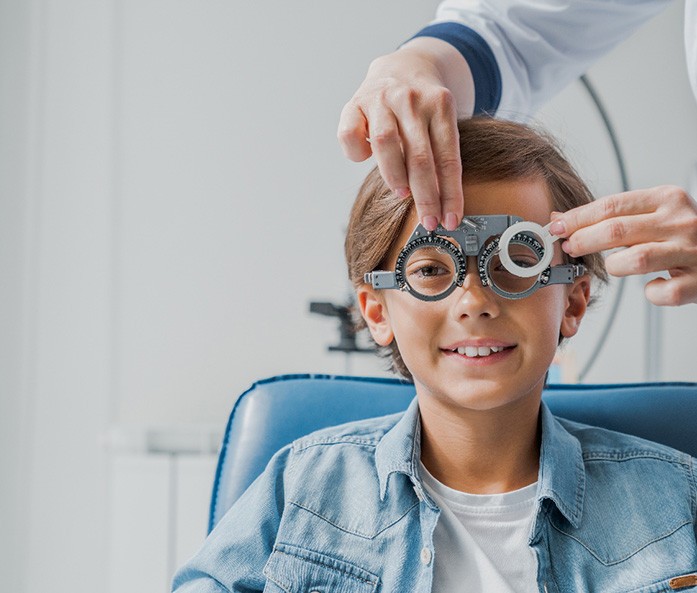
Making sure that your child’s vision develops properly can make all the difference for their quality of life in the long run. Regular comprehensive eye exams for kids in Richmond can go a long way toward catching myopia and other vision problems in their early stages so that they can be properly dealt with. If you have any concerns about your child’s eyes, now is a good time to call and schedule an appointment at Richmond Eye Experts.
Why Choose Richmond Eye Experts for Comprehensive Eye Exams for Kids?
- Evening and Saturday Appointments Available
- Friendly Team and Welcoming Office Environment
- Variety of Insurance Plans Accepted
Why Eye Exams for Children Are Important
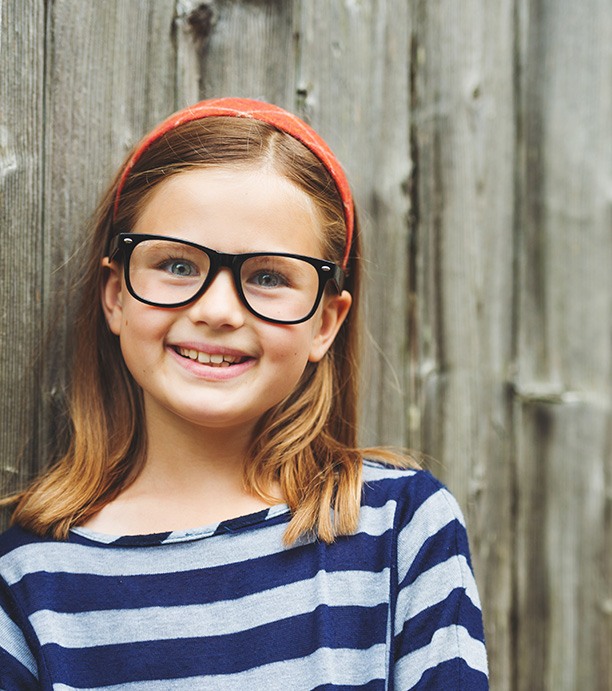
There are a number of vision problems that can start to develop relatively early in life. Common examples include myopia (more commonly known as nearsightedness) and binocular vision. When these issues are left unaddressed, they can potentially have a negative impact on your child’s performance at school by making it more difficult for them to read, write, and focus.
To keep your child’s development on track, it’s imperative to have vision issues identified early on. In order to do so, you should make a point of regularly bringing your little one to the optometrist for a children’s eye exam in Richmond.
Signs My Child Might Need an Eye Exam
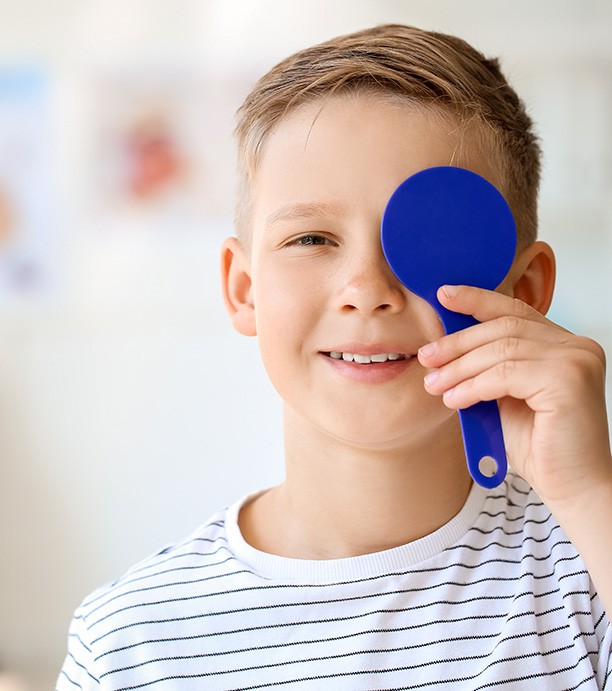
If your child is school-aged (in other words, between the ages of 4 and 18), they should be having comprehensive eye exams performed at least once a year. These visits are especially important if your child is exhibiting any of the following potential warning signs of vision problems:
- Frequently complaining about headaches.
- Poor performance in school or while playing sports.
- Often squinting or closing one eye.
- Habitually rubbing eyes while reading.
- Holding books and electronic devices closer than normal.
What to Expect During the Eye Exam
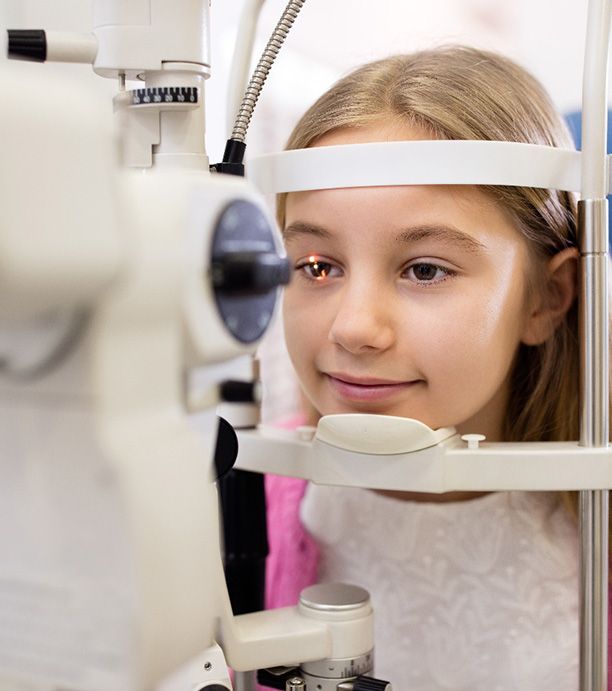
During a comprehensive eye exam, we’ll perform a variety of tests that can be used to identify vision problems. This includes visual acuity testing, binocular vision testing, myopia risk assessment, dry eye and allergy assessment, congenital cataract assessment, color vision testing, and screening for eye diseases such as glaucoma. If an issue is found, we can discuss your options for getting your child the eye treatment in Richmond that they deserve.
Benefits of Early Detection
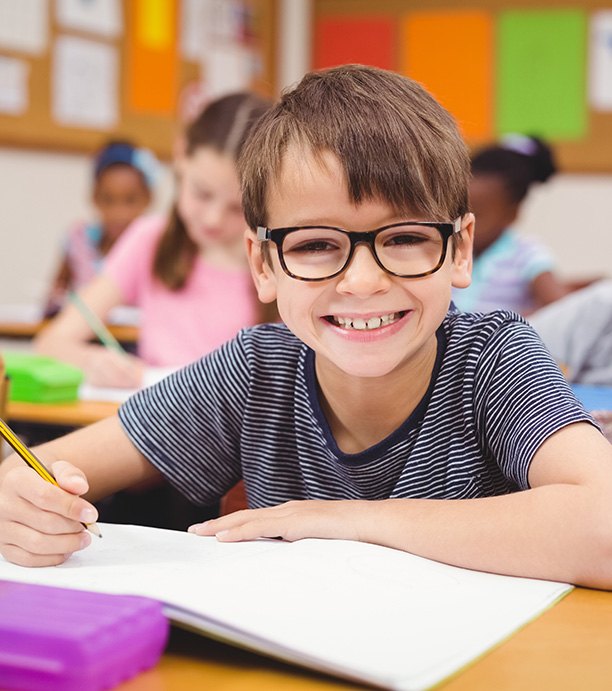
One of the most important benefits of comprehensive eye exams is that they can help your child avoid long-term complications. Detecting vision problems early ensures that your child is able to receive timely eye care in Richmond, potentially allowing them to avoid more serious problems that could require surgery.
On top of that, correcting vision problems can help your child have a better experience at school overall. Not only will they be able to see the board more clearly, but it will be easier for them to participate in classroom activities or interact with their peers without feeling self-conscious.
Comprehensive Eye Exams for Kids FAQs
When Should My Child Have Their First Eye Exam?
It’s important for your little one to receive eye exams early on so that their optometrist can screen for nearsightedness and various other vision problems. Catching these issues while your child is still young can make a significant difference for their vision and overall quality of life in the long term.
We recommend bringing your child in for a full comprehensive eye examination at 5 years of age. Earlier examinations may be necessary if you are noticing any complaints of blurry vision, eye turns, or squinting.
Is Visiting an Optometrist Still Necessary If My Child Has Their Vision Checked at School?
Yes. A school vision screening is very basic; it is only meant to help identify nearsightedness and a few other vision problems. An optometrist can conduct a much more thorough examination of your child’s overall eye health, and they can evaluate visual skills such as eye tracking. To ensure that your child’s vision develops properly, it’s important to make room in your schedule to bring them to the optometrist at least once a year. School and pediatrician screenings often miss children with far-sightedness, tracking or binocularity issues, and astigmatism – these can all affect learning if not treated correctly and in a timely manner.
How Can I Keep My Child’s Eyes Healthy?
In addition to bringing them to the optometrist for regular eye exams, you can take the following steps to help protect the health of your child’s eyes:
- Encourage them to play outside regularly. Exposure to natural light is crucial for healthy eye development. That said, too much sun exposure can damage the eyes, so make sure that your child is wearing UV-blocking sunglasses if they will be outside for a long time.
- Set limits on their screen time to protect them from eye strain. It’s a good idea to teach them to follow the 20-20-20 rule: for every 20 minutes of staring at a screen, they should look at something else 20 feet away for 20 seconds.
- Adjust their diet so that they get plenty of foods that are rich in vitamins A, C, and E. These nutrients are all known to help promote healthier eyes.
- No or low screen time. Children under the age of 2 should not have any screen time on phones or tablets. Televisions are more preferable. Children 2 and above should be restricted to 1 hour of screen time per day.
How Should I Prepare My Child for Their Eye Exam?
Before bringing your child to the optometrist for an eye exam, it’s a good idea to sit down and talk with them to make sure that they fully understand what to expect. Try to keep a light-hearted, playful tone during the discussion so that your child understands that visiting the optometrist is nothing to worry about. If your child is still somewhat nervous, you can let them bring a small stuffed animal with them for comfort.