
Comprehensive Eye Exam Richmond
Detecting Eye Disease Early with Routine Exams

Did you know that the American Optometric Association now recommends annual comprehensive eye exams for all 18 to 64-year-olds? These routine exams may seem unnecessary if you have 20/20 vision, if you had LASIK before, or if you don’t have any trouble with your eyes, but the truth is that these annual visits play an essential role in your long-term health and vision. At Richmond Eye Experts, we make these necessary exams as comfortable, productive, and efficient as possible. Contact us today to schedule your comprehensive eye exam in Richmond!
Why Choose Richmond Eye Experts for Comprehensive Eye Exams?
- Adults and Kids Over 4 Years of Age Welcome
- In-Network with Most Insurance Plans
- Convenient Appointments Available
What Happens During a Comprehensive Eye Exam?

A comprehensive exam at our optometry clinic starts with an online questionnaire where we collect all your pertinent health and vision history. We use this information to tailor your examination.
Preliminary Testing
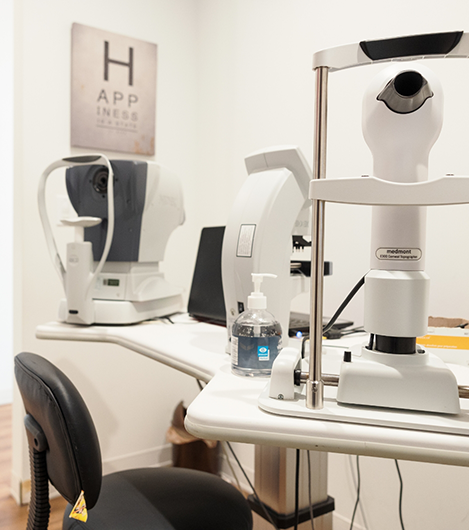
You will be brought into a private room, where we discuss your online form, get some baseline measurements for your vision, eye pressure, retinal images, and any other tests the doctors may feel are pertinent to you based on your history. We also offer screening for glaucoma, diabetic retinopathy and macular degeneration at a small extra cost. These are recommended for patients over the age of 40, or those with family history.
Visual Acuity
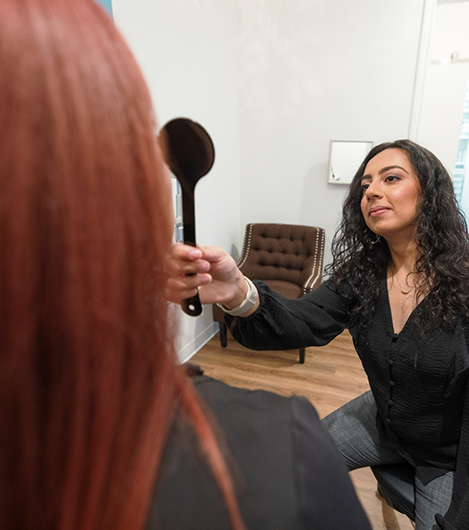
We use a standardized vision chart to check your baseline vision with or without glasses. We also have specialized charts and acuity cards for kids who do not know their alphabets yet.
Eye Alignment or Binocular Vision
Binocular vision allows us to judge depth and see a clear single image. Special testing is done to determine that you have no binocular vision issues. This test is typically done with correction.
Peripheral Vision
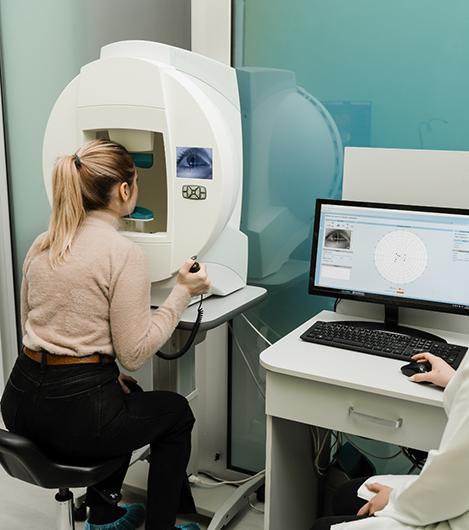
An assessment of your peripheral visual field will be performed to ensure it is functioning optimally. Should any concerns arise during this initial evaluation, a more comprehensive analysis may be required. Peripheral vision defects can be indicative of various eye diseases that may not be readily apparent to the patient.
Refraction: Prescription Determination
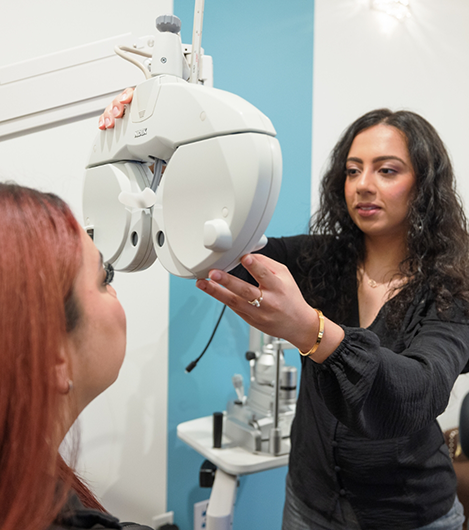
“Which one is better? ONE or TWO?”. Our doctors utilize advanced digital phoropter technology to provide you with a preview of your glasses and contact lens prescription. This process also allows the doctor to assess whether you require bifocals or specialized reading glasses.
Contact Lens Assessment

If you choose a contact lens examination, the doctor will discuss your options, including soft lenses, hard lenses, or ortho-K overnight lenses. In most cases, you'll receive sample lenses on the same day. For first-time contact lens users, our staff will provide training on handling, cleaning, insertion, and removal. The doctor will then evaluate the fit and vision before finalizing your prescription. Additional visits may be required for first-time users or for more complex prescriptions.
Slit Lamp Examination
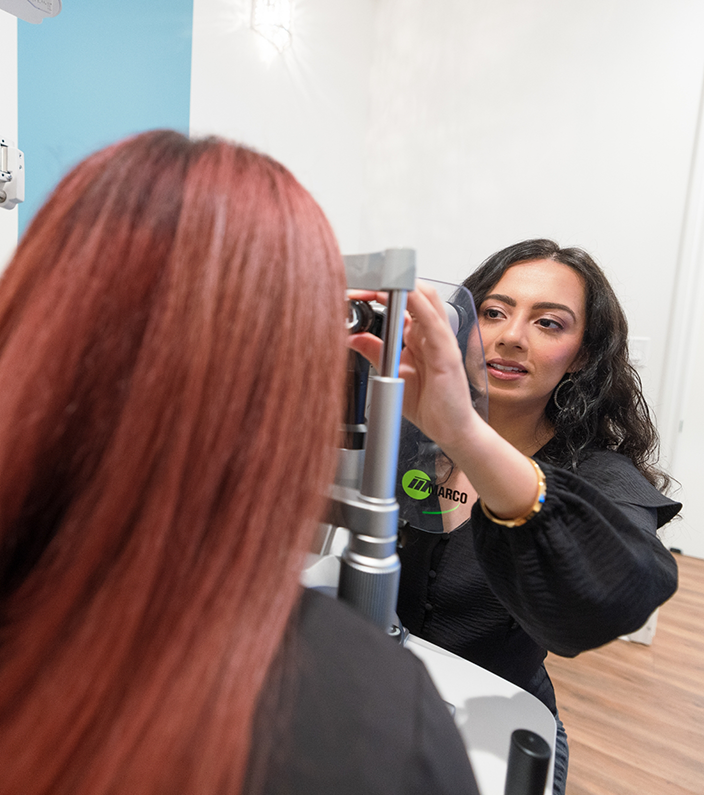
A slit lamp exam is performed with a special microscope and lights. This helps us identify issues like infections, cataracts and dry eyes.
Retina Evaluation
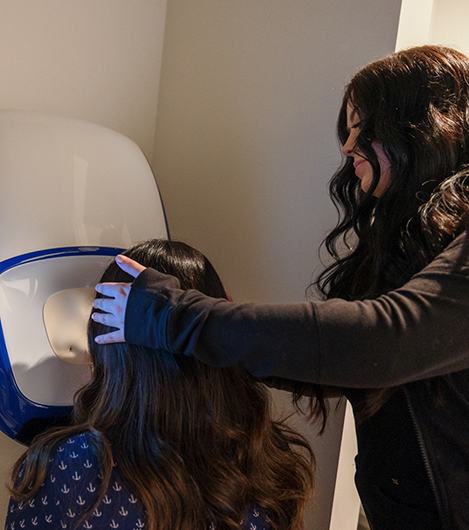
We take pride in being one of the few local practices offering a comprehensive retinal examination without the discomfort of dilation drops and blurry vision. Our child and adult-friendly Optomap Imaging system enables our doctors to conduct a thorough examination of a wide area of the retina. The doctor will review any current concerns or risk factors that require monitoring. Many of our younger patients find this part of the exam particularly fascinating.
Eyewear Consultation
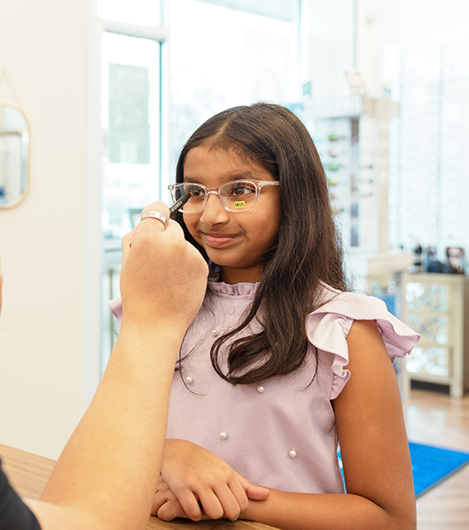
Get ready for the best part of your eye exam! Our top-notch opticians will help you select the perfect frames and lenses tailored to your prescription and lifestyle. We strongly suggest choosing your eyewear from our optical shop. Our opticians know exactly how to fine-tune your prescription for flawless results. While you might be tempted to browse online or “shop” at those big box stores, they can't match the personalized service and cutting-edge lens technology we provide at Richmond Eye Experts. Trust us, you won’t want to miss out on our premium experience!
We have thoughtfully designed our process to be both efficient and comfortable. Many patients remark that it is the most thorough examination they have ever experienced. We look forward to seeing you here!
Pupil Dilation
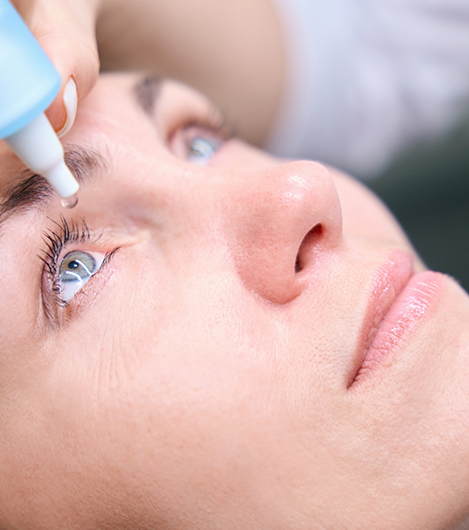
In some situations, such as for those who have diabetes, we may need to dilate the eyes. Dilation provides a deeper view into the retina and optic nerve. If your pupils need to be dilated, you will need to be careful about your exposure to light after your appointment and wear special sunglasses for a couple of hours.
Benefits of Comprehensive Eye Exams
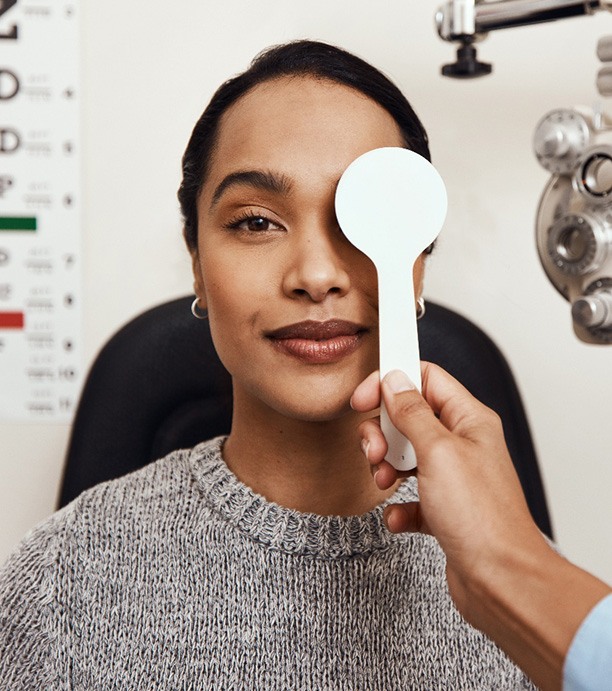
Comprehensive eye exams play a key role in protecting both your vision and your overall eye health. These visits allow your optometrist to detect potential concerns early, when they’re most treatable, and help you maintain clear, comfortable vision for years to come. Here are a few reasons why scheduling a yearly comprehensive eye exam is one of the best investments you can make in your health.
Early Detection of Vision Problems
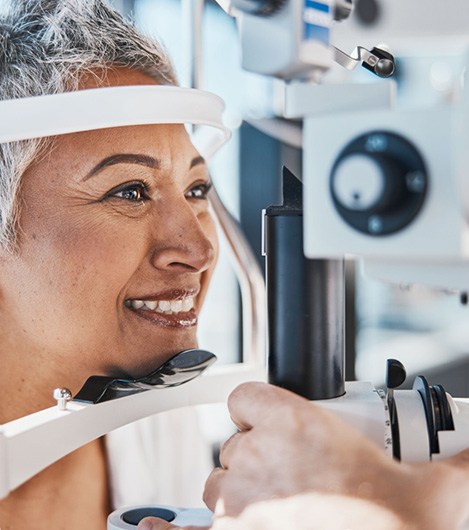
Many vision changes, such as nearsightedness or astigmatism, develop gradually. You might not notice a difference until it starts affecting your daily life. During a comprehensive eye exam, your optometrist can identify even subtle changes in your vision and update your prescription if needed. Catching these issues early helps keep your vision sharp and comfortable.
Early Detection of Eye Diseases
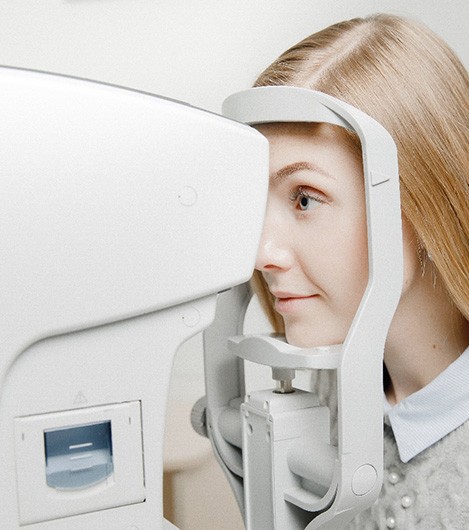
A comprehensive exam is about more than just reading the eye chart. Your optometrist will assess the overall health of your eyes and screen for conditions like glaucoma, cataracts, and macular degeneration. Because these diseases often develop without early symptoms, regular eye exams are essential for detecting problems before they cause irreversible vision loss.
Screening for Overall Health Problems
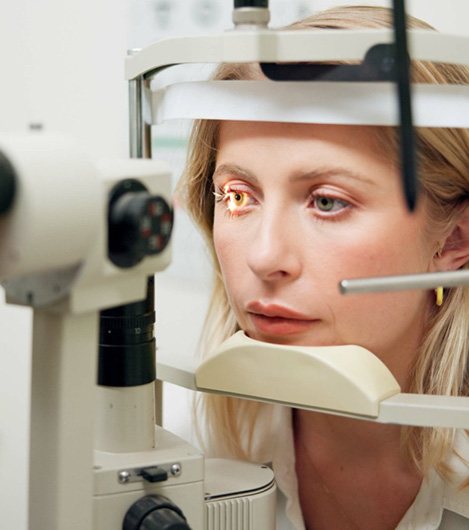
Your eyes can reveal more than you might think about your general health. The retina at the back of your eye is the only place in the body where blood vessels can be seen directly, allowing your optometrist to detect signs of systemic conditions like diabetes, high blood pressure, and certain cancers. Comprehensive eye exams are an important part of staying proactive about your overall well-being.
Improved Quality of Life

Clear vision helps you stay focused, confident, and connected in everything you do. Regular eye exams ensure your prescription is up to date and that your eyes are functioning at their best. Whether you’re reading, driving, or spending time with loved ones, seeing clearly makes every experience more enjoyable.
Cost Savings
Preventive care often saves money in the long run. Identifying and addressing vision or eye health issues early can help you avoid more complex and costly treatments later. Regular comprehensive eye exams are an affordable way to protect your sight and your long-term eye health.
Understanding the Cost of Comprehensive Eye Exams

A YouGov poll revealed that 70% of participants consider “SIGHT” to be their most important sense. Given the range of issues a comprehensive eye exam can detect, the value of these examinations becomes evident.
The good news is that most insurance plans cover the majority, if not all, of the cost for an annual comprehensive eye exam. However, please note that additional expenses, such as for contact lenses, glasses, or specialized tests, may need to be covered out-of-pocket.
Comprehensive Eye Exams FAQs
At Richmond Eye Experts, we believe healthy vision starts with regular, comprehensive eye exams. Using state-of-the-art technology, our doctors provide a thorough evaluation of your eyes and visual system, helping you see clearly today and protect your sight for the future.
Why Are Comprehensive Eye Exams So Important?
A comprehensive eye exam is your best tool for maintaining clear, healthy vision. Many eye diseases develop slowly and may not cause noticeable symptoms at first. Regular exams allow your optometrist to detect potential issues early, when treatment is most effective and before significant vision loss occurs.
Beyond protecting your eyesight, eye exams can also reveal important information about your overall health. The tiny blood vessels in your eyes can show early signs of diabetes, high blood pressure, stroke risk, and other systemic conditions. In some cases, an eye exam can uncover health concerns long before symptoms appear elsewhere in the body.
What Tests Can You Expect During Your Eye Exam?
When you visit our office for a comprehensive eye exam, our goal is to make sure you feel comfortable, informed, and confident about your eye health. Here’s what you can expect during your visit:
1. Health and Vision History
We’ll begin by reviewing your overall health, medications, and any vision changes or symptoms you’ve noticed. This information helps us understand your lifestyle and identify potential risk factors that may affect your eyes.
2. Preliminary Tests
Before you meet with the doctor, our technicians will perform a series of advanced screening tests to gather important information about your eyes:
- Auto-Refraction: Measures how light reflects off the back of your eye to provide an initial estimate of your glasses or contact lens prescription.
- Eye Pressure Check (iCare Tonometry): Measures the pressure inside your eyes to screen for glaucoma. This gentle, no-puff method uses a soft probe for quick, comfortable, and highly accurate results.
- OCT Screening (Optical Coherence Tomography): A non-invasive scan that creates detailed images of your retina and optic nerve to help detect early signs of glaucoma, macular degeneration, and diabetic eye disease.
- Optomap Retinal Imaging: Captures a wide-field, high-resolution image of the back of your eye without the need for dilation drops in most cases. This allows us to evaluate your retina and detect early signs of conditions such as hypertension, diabetes, or retinal tears—all in seconds.
3. Visual Acuity Testing
Next, you’ll read from the familiar eye chart to measure how clearly you can see at various distances. This helps determine whether you need corrective lenses.
4. Refraction Assessment
If glasses or contacts are needed, we’ll use our Marco Autophoropter to fine-tune your prescription. You’ll be asked which lenses look clearer as we find the exact power that gives you the sharpest, most comfortable vision.
5. Slit Lamp Examination
Your optometrist will then use a slit lamp microscope to closely examine the front structures of your eyes, including your eyelids, cornea, iris, and lens. This allows us to check for signs of dryness, infection, cataracts, or other surface abnormalities.
6. Retinal Examination with Optomap Imaging
Your optometrist will review your Optomap images in detail to evaluate the health of your retina and optic nerve. In some cases, we may also recommend pupil dilation for a more complete view. Dilation may cause light sensitivity and blurred near vision for a few hours, so bringing sunglasses is recommended.
7. Results and Personalized Recommendations
After your exam, your optometrist will review your results in detail, answer your questions, and discuss any treatment or vision correction options if needed. You’ll also receive personalized guidance on maintaining healthy vision, managing screen time, and protecting your eyes for the long term.
How Often Should You Have an Eye Exam?
- Children: Once a year, to monitor healthy visual development and ensure clear vision for learning. Children may be asked to come back more often if they have progressive myopia.
- Adults (18 and above): Once a year if your eyes are healthy. Annual exams are recommended if you wear glasses or contact lenses. You may be asked to come back more often if you have risk factors for eye disease.
How Long Does a Comprehensive Eye Exam Take?
Most comprehensive eye exams take between 30 and 60 minutes. The exact time depends on your vision needs and the specific tests we need to perform, as everyone’s exam is tailored to them. It’s a good idea to allow a little extra time in your schedule so your visit is comfortable and unhurried.
How Should I Prepare for My Exam?
A few small steps before your appointment can make your exam more efficient and effective:
- Bring your current glasses or contact lenses.
- Make a list of any medications or supplements you take.
- Take note of any recent changes in your vision, such as blurriness, eye strain, or frequent headaches.
This information helps your optometrist get a complete picture of your eye health and provide the best possible care.
At Richmond Eye Experts, we take pride in providing a thorough yet comfortable eye exam experience for every patient. Whether it’s your first visit or your annual check-up, you can expect attentive care, clear explanations, and a personalized approach to keeping your eyes healthy for years to come.