

Glaucoma Treatment Richmond and Sugar Land, TX
A Common Cause of Vision Loss
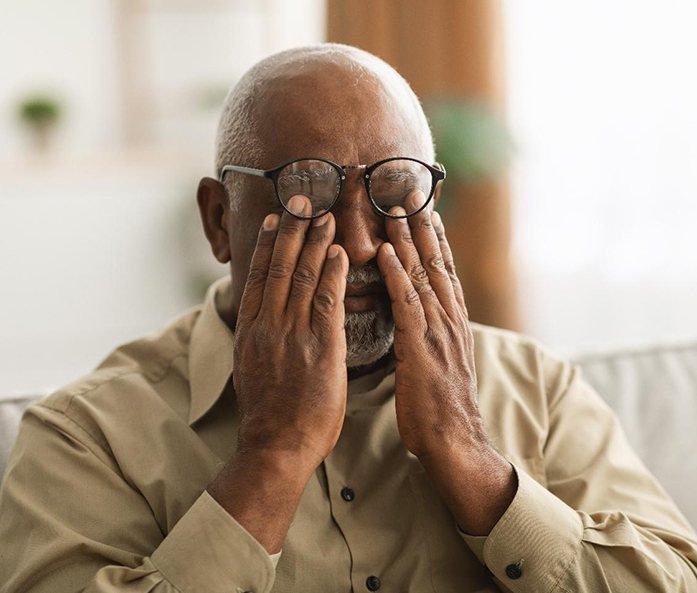
Some eye conditions do not cause obvious symptoms in the early stages, which means you may not realize there is a problem until vision loss has already begun. One of the most common examples is glaucoma.
Glaucoma is a serious eye disease that can damage the optic nerve and lead to permanent vision loss if it is not detected and treated early. Because early glaucoma often develops quietly, routine eye exams are one of the most important ways to protect your vision.
At Richmond Eye Experts, we diagnose and manage glaucoma for patients in Richmond, Sugar Land, and surrounding areas. If you have concerns about your eye health or are due for an eye exam, our team is here to help.
Why Choose Richmond Eye Experts for Glaucoma Diagnosis and Treatment?
- Experienced Glaucoma Care
- Advanced Diagnostic Technology
- Convenient Appointment Options
What Is Glaucoma?

Glaucoma is a group of eye diseases that damage the optic nerve, which is responsible for sending visual information from the eye to the brain.
This damage is often associated with increased intraocular pressure, or pressure inside the eye. Eye pressure can rise when the fluid inside the eye does not drain properly. Over time, this pressure can injure the optic nerve and cause permanent vision loss.
It is important to know that glaucoma can sometimes occur even when eye pressure is not extremely high, which is one reason a full eye exam is so important. Glaucoma is not always loud about announcing itself.
What Are the Symptoms of Glaucoma?
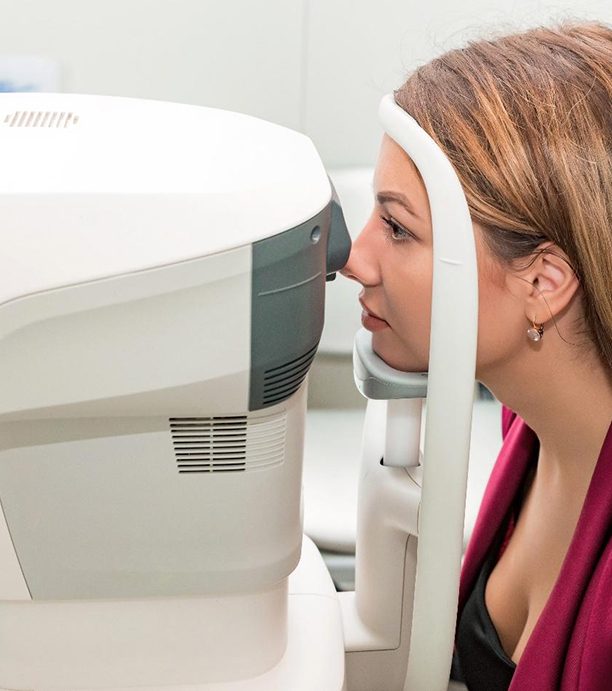
In many cases, especially with open-angle glaucoma, there are no noticeable symptoms early on. Vision may seem completely normal at first, even while damage is occurring.
As glaucoma progresses, patients may begin to notice:
- blind spots in peripheral vision
- reduced side vision
- trouble seeing objects off to one side
- vision loss that gradually worsens over time
In later stages, glaucoma can also affect central vision. Without treatment, it can eventually lead to blindness.
Some types of glaucoma, such as acute angle-closure glaucoma, can cause more sudden and noticeable symptoms, including:
- eye pain
- severe headache
- blurred vision
- redness
- halos around lights
- nausea or vomiting
If you are experiencing these symptoms, you should seek prompt eye care, as acute glaucoma can be an emergency.
How Is Glaucoma Diagnosed?

Glaucoma is diagnosed through a comprehensive eye evaluation. No single test tells the whole story, so diagnosis often involves several pieces of information.
Eye Pressure Testing
One common part of glaucoma screening is tonometry, which measures the pressure inside the eye. This may be done with a puff-of-air test or with a device that gently touches the eye after numbing drops are placed.
Optic Nerve Evaluation
Because glaucoma damages the optic nerve, a careful examination of said nerve is an important part of diagnosis and monitoring.
Visual Field Testing
A visual field test checks how well you can see in your peripheral vision while looking straight ahead. This can help detect areas of vision loss caused by glaucoma.
Additional Testing and Monitoring
Depending on our findings, additional imaging and follow-up testing may be recommended to monitor for changes over time. Glaucoma management is often about tracking small changes before they become big problems.
How Is Glaucoma Treated?

If glaucoma is diagnosed, treatment is focused on lowering eye pressure and slowing or preventing further optic nerve damage. While vision already lost from glaucoma usually cannot be restored, early treatment can help preserve the vision you still have.
Treatment options may include:
Prescription Eye Drops
Many glaucoma patients are treated with prescription eye drops that help lower eye pressure. Different drops work in different ways, and the best choice depends on your specific situation.
Oral Medications
In some cases, oral medication may be used as part of treatment, although eye drops are more commonly used for long-term management.
Laser or Surgical Treatment
If medications are not enough to control glaucoma, laser treatment or surgery may be recommended by the appropriate eye care specialist. We can help guide patients through that process and coordinate care when needed.
Why Early Detection Matters
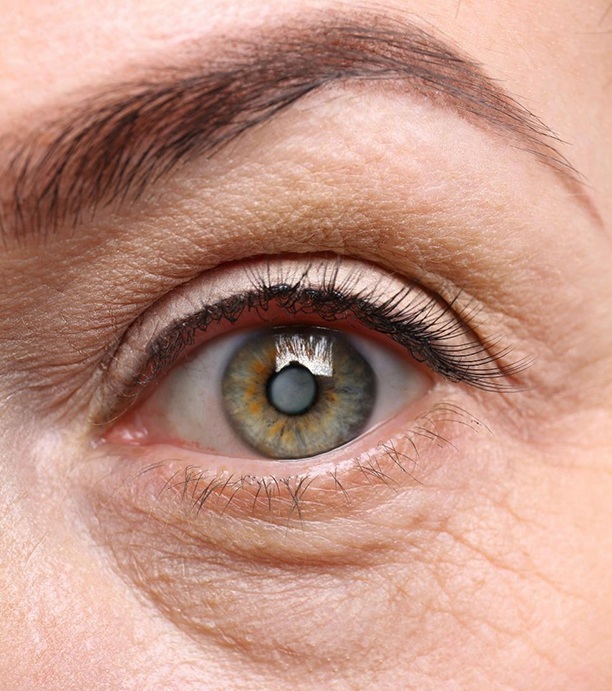
Glaucoma-related vision loss is usually permanent, which is why early detection is so important. The sooner glaucoma is identified, the better the chance of slowing the disease and protecting your sight.
Routine eye exams are especially important if you have risk factors such as:
- age over 40
- a family history of glaucoma
- elevated eye pressure
- diabetes
- high myopia
- African American, Hispanic, or certain other higher-risk populations
- long-term steroid use
Even if your vision seems fine, glaucoma could still be developing quietly in the background.
Glaucoma Diagnosis and Management in Richmond and Sugar Land, TX
At Richmond Eye Experts, we provide glaucoma evaluations and ongoing management for patients in Richmond, Sugar Land, and nearby communities. Our goal is to detect glaucoma early, monitor it carefully, and help protect your long-term vision with personalized care.
Whether you need a screening, diagnostic workup, or follow-up monitoring, our team is here to guide you every step of the way.
Schedule a Glaucoma Evaluation at Richmond Eye Experts
If you have concerns about glaucoma, have a family history of the disease, or are due for an eye exam, we encourage you to schedule an appointment.
Call Richmond Eye Experts at (832) 685-2020 or visit us at 7770 W. Grand Parkway S, Suite B1, Richmond, TX 77406 to schedule your glaucoma evaluation.
Glaucoma Treatment FAQs
Glaucoma is one of those eye conditions that can be easy to underestimate because many patients feel completely fine. Your vision may still be clear, your eyes may not hurt, and you may have no obvious symptoms, while early changes are already happening to the optic nerve.
That is why glaucoma screening becomes more important as we get into our 40s and beyond, especially if there is a family history of glaucoma or if you have been told your eye pressure is elevated.
At Richmond Eye Experts, our doctors are Optometric Glaucoma Specialists, and we use advanced testing such as OCT, visual field testing, and Optomap retinal imagifng to evaluate the optic nerve and monitor for change over time.
What kinds of glaucoma are there?
Glaucoma is not just one disease. It is a group of conditions that can damage the optic nerve, which is the nerve that carries visual information from the eye to the brain. The most common types include:
Open-Angle Glaucoma
Open-angle glaucoma is the most common type. It usually develops slowly and is often related to eye pressure that is too high for that particular optic nerve. The tricky part is that early glaucoma usually does not cause pain, redness, or noticeable vision changes. Many patients can still read the 20/20 line while early nerve damage is occurring.
Angle-Closure Glaucoma
Angle-closure glaucoma is less common, but it can be serious and sudden. It happens when the drainage angle inside the eye becomes blocked, causing eye pressure to rise quickly. Symptoms may include sudden eye pain, blurry vision, halos around lights, headache, nausea, vomiting, or eye redness. This is an eye emergency and needs urgent medical care.
Secondary Glaucoma
Secondary glaucoma happens when another eye condition, health condition, injury, inflammation, or medication contributes to increased eye pressure or optic nerve damage. Examples can include eye trauma, steroid use, inflammation inside the eye, or diabetes-related eye disease.
Normal-Tension Glaucoma
Normal-tension glaucoma occurs when the optic nerve shows glaucoma damage even though the eye pressure is within a normal range. This is one reason we do not rely on eye pressure alone. We look at the optic nerve, OCT findings, visual field results, retinal imaging, and overall risk factors together.
Is glaucoma hereditary?
Yes, glaucoma can run in families. If a parent, sibling, or close relative has glaucoma, your risk is higher. That does not mean you will definitely develop glaucoma, but it does mean you should be checked regularly.
I usually tell patients that family history is not something to panic about, but it is something to respect. Glaucoma can also develop in patients with no known family history, especially when other risk factors are present such as age, elevated eye pressure, thinner corneas, previous eye injury, or certain medical conditions.
Can vision lost from glaucoma be restored?
Unfortunately, vision loss from glaucoma is usually permanent. Once the optic nerve is damaged, that nerve tissue typically cannot regenerate.
The goal of treatment is to protect the vision you still have. When glaucoma is diagnosed early and managed consistently, we can often slow it down significantly and reduce the risk of further vision loss. This is why waiting for symptoms is not a good plan. By the time a patient notices missing side vision, glaucoma may already be more advanced.
What causes high eye pressure?
Your eye naturally produces a clear fluid called aqueous humor. This fluid circulates inside the eye and normally drains through a small drainage system in the front part of the eye. When the drainage system does not work efficiently, fluid can build up and the pressure inside the eye can rise.
It is also important to understand that glaucoma is not just about having a high number. Some people can have higher eye pressure without damage, while others can develop glaucoma even at lower pressures. That is why glaucoma care requires more than a quick pressure check.
How do we test for glaucoma at Richmond Eye Experts?
At Richmond Eye Experts, we use several pieces of information to get a more complete picture of glaucoma risk and progression. A glaucoma evaluation may include:
- OCT imaging to measure the retinal nerve fiber layer and optic nerve structure
- Visual field testing to check for functional vision loss, especially side vision changes
- Optomap retinal imaging to document and evaluate the back of the eye
- Eye pressure measurement
- Optic nerve evaluation
- Corneal thickness measurement
- Review of medical history, medications, and family history
These tests help us determine whether glaucoma is present, whether it appears stable, and whether treatment or closer monitoring is needed. You can learn more about our imaging and diagnostic tools on our advanced technology page.
How is glaucoma treated?
Glaucoma treatment depends on the type of glaucoma, the eye pressure, the appearance of the optic nerve, and whether testing shows progression. Some patients may only need close monitoring. Others may need prescription eye drops to lower eye pressure. In certain cases, laser treatment or surgical consultation may be recommended.
The most important part of glaucoma care is consistency. Glaucoma is a long-term condition, so follow-up visits, repeat testing, and using medications as directed all matter. At our office, we take time to explain what we are seeing, what the results mean, and what the next step should be.
When should I schedule a glaucoma screening?
You should schedule a comprehensive eye exam if you are 40 or older, have a family history of glaucoma, have been told your eye pressure is high, have diabetes or high blood pressure, have had an eye injury, use steroid medications regularly, or have not had a dilated or retinal health exam recently.
Even if your vision feels normal, glaucoma can still be present. Early detection gives us the best chance to protect your long-term vision. If you are due for an exam or have glaucoma risk factors, schedule a comprehensive eye exam with Richmond Eye Experts.