

5 Foods That Can Help Support Healthy Eyes
Patients ask me all the time what they can do at home to protect their vision. One of the easiest places to start is with food.
Now, let’s be realistic. Eating carrots will not make your glasses prescription disappear, and no single food can prevent every eye disease. But the nutrients in certain foods can help support the retina, the surface of the eye, tear quality, and overall eye health.
A healthy diet does not replace your regular eye exam, but it can be a great part of taking care of your eyes long term.
Here are 5 foods that are worth adding to your plate.
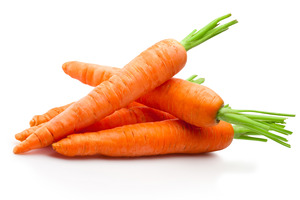
1. Carrots
Yes, carrots really can be good for your eyes.
Carrots contain beta-carotene, which your body can turn into vitamin A. Vitamin A helps support normal vision, especially in dim lighting, and also helps keep the surface of the eye healthy.
That does not mean carrots will “fix” your vision, but they are a simple, healthy food to include in your diet. Sweet potatoes, pumpkin, and apricots are also good sources of beta-carotene.
Learn more: NIH Vitamin A and Carotenoids
2. Almonds
Almonds are a good source of vitamin E, an antioxidant that helps protect cells from oxidative stress.
Vitamin E is often talked about in relation to long-term eye health and has been studied as part of certain supplement formulas for age-related macular degeneration. But vitamin E by itself does not prevent cataracts or macular degeneration.
Still, almonds, sunflower seeds, and other nuts can be a healthy addition to an eye-friendly diet.
Learn more: NIH Vitamin E
3. Citrus Fruit
Oranges, grapefruit, lemons, and other citrus fruits are rich in vitamin C.
Vitamin C helps the body make collagen, which supports connective tissues throughout the body, including parts of the eye like the cornea and sclera. It also works as an antioxidant.
Not a big citrus person? Strawberries, broccoli, bell peppers, and cantaloupe are also great sources of vitamin C.
Learn more: NIH Vitamin C
4. Corn
Corn may not be the first food you think of for eye health, but it contains lutein and zeaxanthin.
These nutrients are found in the macula, the part of the retina that helps with sharp central vision. They help support macular health and are part of the AREDS2 supplement formula used for certain patients with age-related macular degeneration.
You can also get lutein and zeaxanthin from spinach, kale, peas, and egg yolks.
Learn more: National Eye Institute: AREDS and AREDS2
5. Salmon
Salmon is a great source of omega-3 fatty acids.
Omega-3s support the oily layer of the tear film, which can be helpful for some patients with dry eye, especially when meibomian gland dysfunction is involved.
That being said, omega-3s are not a magic fix for dry eye. Research on omega-3 supplements is mixed, and dry eye usually needs a more complete treatment plan.
If salmon is not your favorite, other fatty fish like sardines, trout, tuna, and mackerel are also good options.
Learn more: American Academy of Ophthalmology: Fish Oil and Dry Eye
Food Helps, But Eye Exams Still Matter
Eating well is a great way to support your eyes, but it does not replace regular comprehensive eye exams.
Many eye conditions, including glaucoma, diabetic eye disease, macular degeneration, cataracts, and dry eye, can start quietly. You may not notice symptoms right away.
If you have an existing eye condition, your nutrition needs may also be more specific. Some patients may benefit from certain supplements, while others may not need them at all.
At Richmond Eye Experts, we can help you understand what is going on with your eyes and what steps may help protect your vision long term.
If you are concerned about your eye health or have noticed changes in your vision, schedule an appointment with Richmond Eye Experts in Richmond, TX.
Call us at (832) 685-2020 or use our online scheduling tool to request an appointment.
About the Author
Dr. Jordana Chettiparampil is a licensed therapeutic optometrist in Richmond, TX. Her professional affiliations include the American Optometric Association and the American Academy of Orthokeratology and Myopia Control. She is highly skilled when it comes to diagnosing, managing, and treating a wide range of eye conditions.
If you’re concerned about the health of your eyes, you can schedule an appointment with Dr. Chettiparampil at Richmond Eye Experts by visiting her website, using the online scheduling tool, or calling (832) 685-2020.