
Thanks to orthokeratology – or Ortho-K for short – it’s possible for nearsighted patients to enjoy clearer vision during their waking hours without having to rely on glasses or traditional contact lenses. But while Ortho-K is certainly an effective option for myopia management, it isn’t necessarily the best choice for everyone. Below is a closer look at how Ortho-K works and what can potentially disqualify someone from the treatment.
How Does Ortho-K Work?
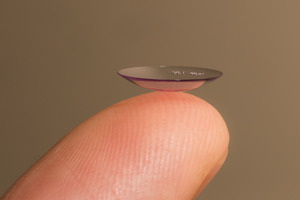
Ortho-K involves special lenses that are meant to be worn on the eyes while sleeping. Throughout the night, they apply a small amount of pressure to the corneas to reshape them. This changes the way light enters the eye, resulting in clearer vision during the day. The effects of Ortho-K wear off after a while, so patients need to use the lenses every night in order to continue enjoying the benefits they provide.
What Can Stop Someone From Receiving Ortho-K Treatment?
Ortho-K is generally considered to be a safe, reliable way for children and adults to manage their myopia. Nevertheless, there are several factors that can potentially affect one’s candidacy for the treatment:
- Severity of the Refractive Error: Ortho-K works best on mild to moderate cases of myopia; it may not be the ideal choice for patients who are severely nearsighted.
- Age of the Patient: Ortho-K often isn’t as effective in older adults since the cornea becomes harder to reshape as time passes. Generally, the treatment is recommended for those who fall in the age range of 8 to 40 years old. Adults may, however, use Ortho K for near-sightedness, far-sightedness, or both.
- Health of the Eye: Certain eye-related health issues can potentially get in the way of Ortho-K. For example, severe dry eye or allergy issues may exempt the patient from qualifying for these lenses. For this reason, a comprehensive eye exam needs to be performed before the treatment can move forward.
- Patient Compliance: Ortho-K only yields results if the lenses are worn every night. If a patient is unable or unwilling to do so, it may be worth considering a different form of treatment. The patient must wear the lenses up to 8 hours every night for optimal correction.
What are the Benefits of Ortho-K?
For those who do qualify for Ortho-K, the treatment can yield a number of benefits. Not only does it result in clearer vision during the day, but it can also help slow down the rate at which myopia progresses in children. Furthermore, it can be a great alternative to LASIK since it’s reversible and doesn’t require any surgery.
If you’re interested in pursuing Ortho-K for yourself or your child, it’s a good idea to set up a consultation with your therapeutic optometrist. They can help guide you toward the myopia solution that is truly right for your situation.
About the Author
Dr. Jordana Chettiparampil is a licensed Therapeutic Optometrist who attended the University of Houston College of Optometry. She offers a wide range of eye care services, which include Ortho-K and other options for managing myopia. If you would like to learn more about Ortho-K, you can schedule an appointment with Dr. Chettiparampil at Richmond Eye Experts by visiting her website or calling (832) 685-2020.